
What Makes Microlots & Specialty Organic Coffee Beans Premium
Have you tried a lot of various coffees and yet not been able to get the flavour you prefer? Not good, isn’t it? We are aware! As a result, Bean Kind sources its organic coffee beans from actual coffee-growing regions, such as Peru, Honduras, and Colombia. All the details you can simply get from our website, as we are not making that up.
What’s different about us? Microlots. We work with small batches where quality and flavour actually matter. Doesn’t matter if you are picky about coffee or just getting into it—our beans hit different.
But what makes them “premium” anyway?
That’s what we are getting into in this blog: why our beans get that label in specialty coffee circles.
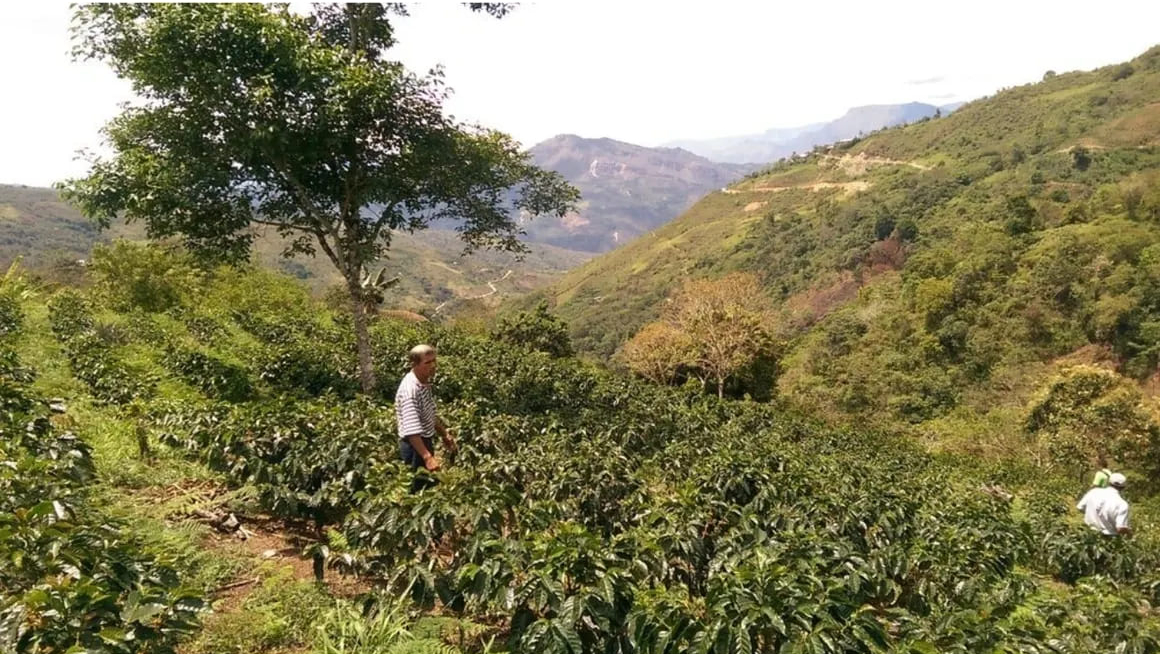
What Microlots and Specialty Coffee Really Are
Microlots are tiny farm plots where good coffee gets grown. Not huge operations cranking out tonnes. These plots get watched closely—farmers check soil, pick harvest times carefully, and hand-select cherries. Only decent stuff makes it.
Specialty coffee scores 80 or higher on the Specialty Coffee Association scale. Our organic coffee beans reach those numbers: good smell, distinct taste, reliable quality.
Our Australian grown organic coffee beans and others follow the same rules: pay attention, care about what you are doing, don’t cut corners.
Microlots Aren't Like Regular Coffee Farms
Microlot coffee requires work. Farmers continuously monitor soil nutrients, weather trends, and plant health. Zero synthetic chemicals. Natural compost and pest control instead—doesn’t damage the land or the crop.
What do you get? Organic coffee beans that genuinely taste different. How can you tell?
Flavour shows it. Floral touches, chocolate depth, fruit hints. Look at the best organic coffee beans Australia reviews—people talk about how layered and rich they are.
Production stays small, so these beans stay rare. Specific growing conditions create flavours you won’t find in supermarket bags. Scarcity adds value. Coffee drinkers who know its value pay attention.
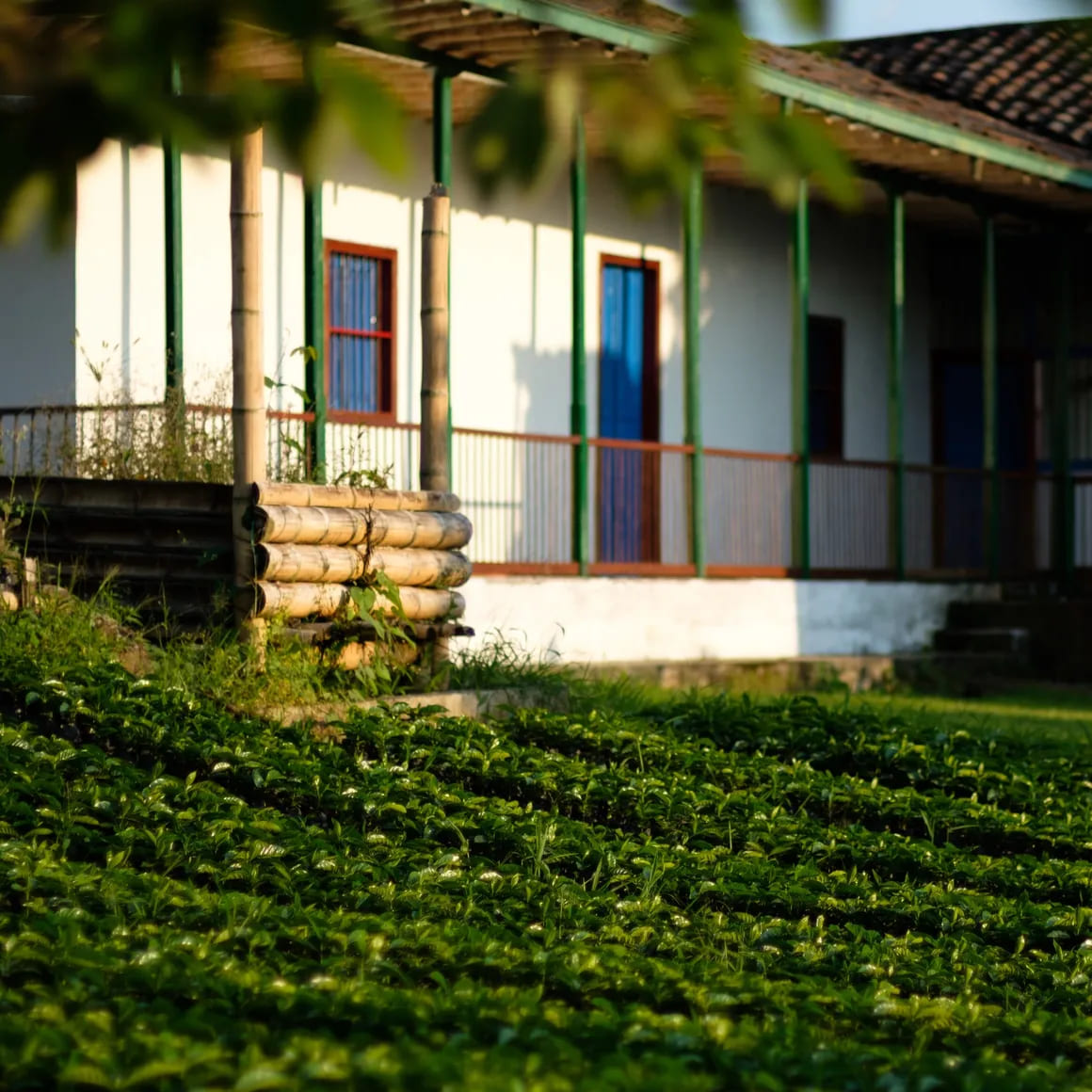
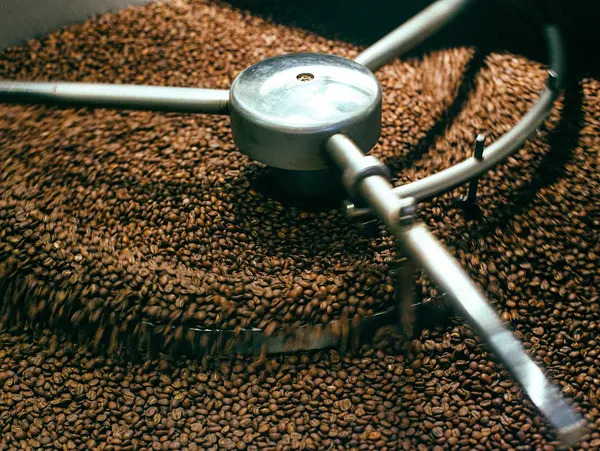
How Beans Actually Get to You
Microlot beans go through steps before hitting your grinder. Farmers manually select ripe cherries, ignoring immature ones. Cherries go to processing stations, get washed, dried in the sun or using honey methods. Each step shifts the taste.
Roasting pulls out what makes each bean special. Good roasters tweak temperature and timing to show off organic coffee beans‘ natural flavours. When it’s done right, your cup has that flavour you can taste.
Our coffee beans variety pack lets you compare regions and methods side by side. Each cup tells you where it came from, how it grew, how someone handled it.
Specialty Grade Has Actual Requirements
Specialty beans get tested properly. Smell, sweetness, acidity, body, and aftertaste are assessed. Everything gets checked closely. Only beans hitting strict standards get called specialty.
Not just about taste. Specialty involves fair treatment. Farmers get decent pay. Sourcing follows rules. Supply chains stay transparent. The environment gets protected, and communities get supported. Buy organic coffee beans in Australia with specialty ratings, and you’re backing that approach.
Where Beans Grow Changes How They Taste
Growing location affects flavour heavily. Temperature, how high up, soil type—all matter. Lower spots usually give sweeter tastes—chocolate notes, nutty stuff. Higher altitude brings brightness, fruity sharpness.
Exploring microlots means tasting these regional gaps. African beans with tropical vibes versus Colombian beans with caramel sweetness. Each place tastes different. Coffee beans variety pack options let you try multiple origins and figure out preferences.
Roasting Makes or Breaks It
Roasting converts raw beans into actual coffee. Microlot and specialty beans need gentle roasting, or their uniqueness disappears. Light roasts show origin traits. Medium and dark bring depth and body.
Fresh matters. Check roast dates on bags. Search “organic coffee beans near me” and you’ll hit roasters like Bean Kind prioritising freshness. We do small-batch roast everything—Primero, Alto, all of it—keeping aroma and taste that commercial stuff can’t touch. Our website lets you track beans and order straight from us.
Sustainability Actually Matters Here
Premium organic coffee beans come from farming that doesn’t trash ecosystems. Shade-grown keeps wildlife around. Organic cuts chemicals and stops erosion.
Microlot farmers benefit straight up. Fair money, safe work, buyers who don’t vanish next season—let them feed families and keep quality high. Buy organic coffee beans, and you fund a system caring about people and land, not just yields.
Health Stuff Is Legit
Organic coffee skips synthetics. Cleaner product. Antioxidants in organic coffee beans help metabolism, heart function, and fight oxidative stress.
Grind fresh, brew properly, benefits stick around while the taste improves. People choosing the best organic coffee beans Australia do it for flavour and health—smoother drinking, less harsh acidity.
Brewing These Beans Right
Premium beans need decent brewing. Grind right before making coffee. Use filtered water. Get ratios correct.
Pour-over and French press pull the best from microlots. Sweetness and rich aroma come out clearly when you open the seal of the coffee pack. Keep beans sealed, cool spot, out of light. Proper storage keeps the flavour working.
Spotting Real Premium Beans
“Organic” on a label doesn’t promise quality. Check these when you buy organic coffee beans:
- Can you trace the origin? Premium grows high up.
- Roast date visible? Old beans taste dull.
- How do beans look? Some oil on dark roasts is fine; too much means old or overdone.
- Smell inviting? Should never smell musty or weird.
- Does the roaster share sourcing info and methods?
Best organic coffee beans Australia reviews from actual people help. Solid roasters do small batches with traceability. That signals real quality.
What It Comes Down To
Microlots and specialty organic coffee beans are coffee done properly. Each bean shows deliberate farming, careful processing, and skilled roasting. Tastes excellent while supporting health, land, and farming communities.
Want top-shelf stuff? Hit Bean Kind’s website for premium organic coffee beans roasted fresh. Each cup links you to actual farms, regions, and people growing your coffee. Find out what premium really means. Follow our Instagram and Facebook for more latest updates.
FAQs
Q1. What makes microlot coffee different from normal beans?
Farmers grow microlots in small plots that they watch constantly. Only ripe cherries get picked. That focus creates better flavour.
Q2. How to keep them?
Store somewhere cool and dark, away from moisture.
Q3. What drives up the price of specialty organic coffee?
Hand picking, small roasting batches, strict checking—costs add up.
Q4. What brewing method works for microlot beans?
Pour-over and French press bring out subtle stuff nicely. Espresso makes them bold and concentrated.
Q5. Where can I buy real premium beans in Australia?
Roasters like Bean Kind sell the best fresh organic coffee beans with clear sourcing.